Rope, Wheel and Ringer: The Village Bell That Knows You’re Late
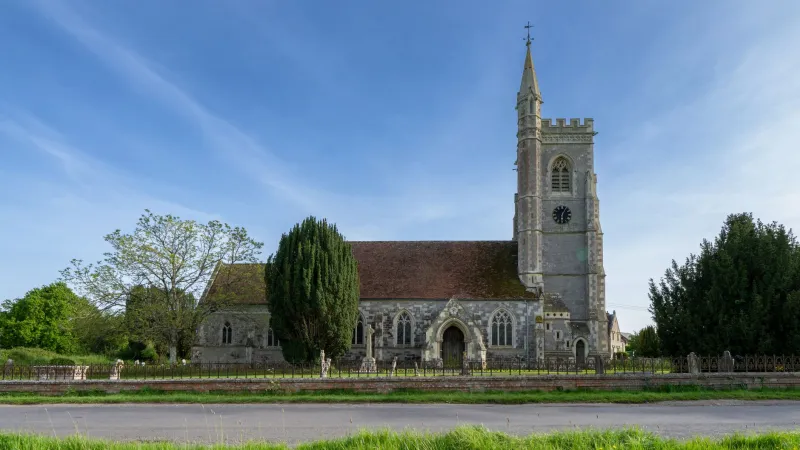
Horror rarely frightens us with a scream. A scream is a release: it tells you where the danger is and what it wants. A bell is the opposite. It is a schedule with a rope attached. It does not ask for your attention; it assumes it. That is why the distant village bell can be more unsettling than any shriek in a British folk-horror film. You are not being chased. You are being counted.
A civic sound with a shadow
In the UK, parish church bells are ordinary furniture. They ring for Sunday service, weddings, funerals and the odd national occasion. Behind that familiarity sits a whole craft: campanology, change ringing, tower captains, ropes and wheels, and bands of ringers who meet on a weeknight to practise patterns rather than tunes. English change ringing is not melodic in the way most of us expect. It is mathematical, communal and strangely physical — a group of people pulling in sequence so that bells swap places in the order. The sound is not a song. It is an argument in bronze.
That is already a folk-horror premise. A bell is the community made audible. It says who is inside, who is late, who has died and who is expected. It marks the edges of the day. In a village, the bell tower is not just architecture; it is infrastructure. And horror loves infrastructure, because infrastructure can be turned against you.
The curfew, the passing bell and the muffled rope
The older uses of bells are the ones that linger. The curfew bell once marked the end of the working day and the covering of fires. The passing bell told the parish that someone was dying or had died. Funeral bells could be rung muffled, or half-muffled, so that the strike sounded cloth-wrapped and wrong. The sanctus bell called attention to the sacred moment in a service. These are not occult practices. They are civic ones. That is precisely why they work in horror.
A bell heard at the wrong hour does not need a ghost. It only needs a reason. Who rang it? Who told them to? Why is nobody in the village reacting? In folk horror, the scariest answer is usually the most bureaucratic one: because it is on the schedule. The bell is not a warning. It is a rota.
Why a distant bell beats a jump scare
Listen to a real church bell from across a field and you notice how little information you get. Low frequencies travel. The sound arrives before the tower is visible. You cannot tell direction easily. You hear the hum and the strike, then the overlap as the next pull comes round. Change ringing has a rhythm that feels human because it is human — a missed stroke, a slight hesitation, a rope pulled by someone who is tired or frightened. A scream is individual. A bell is collective. You cannot tell who is responsible, and that is the point.
Filmmakers know this. A single toll over a cut to black can do more than a monster. A wedding peal can sound like a countdown. A funeral ring can make a sunny lane feel like a corridor. Cult cinema has used bells as off-screen furniture for decades: a sound that belongs to the village, not the protagonist. The character hears it and adjusts their behaviour. We hear it and realise the village has a timetable we have not been shown.
Screen bells and the missing tower
The Wicker Man is the obvious place to start, but not for the reason you might expect. Summerisle has no Christian church bells in the familiar parish sense. Sergeant Howie arrives expecting the British village soundscape — a Sunday toll, a vicar, a respectable order — and instead gets fiddles, pipes, songs and a maypole. The absence is the horror. The community has its own calendar, and it does not need a bell tower to announce it. The film’s soundtrack is full of voices, but not the familiar summons. That missing sound is a warning in itself.
Elsewhere, bells tend to sit at the edge of the frame. A toll across a market square. A handbell in a school corridor. A tower bell that starts when it should not. In cult cinema, the bell is often less a prop than a cue: it tells you the village is awake, the institution is running, the ritual has begun. You do not need to see the ringer. In fact, it is better if you do not. The moment you see a perfectly normal group of volunteers in a draughty tower, the mystery collapses into bell-ringing practice. The dread lives in the distance.
A field guide for listening
Next time you watch a folk-horror film, listen for the bell and ask three questions. Is it regular? Is it muffled? Does anyone react? If the bell is regular and nobody reacts, you are in a place where the sound is law. If it is muffled and everyone reacts, you are at a funeral that is also a threat. If it is irregular and nobody reacts, you are in trouble. The villagers know something you do not, and they have decided not to tell you before the next pull of the rope.
Real campanology is not sinister. It is a bunch of people in fleeces, a draughty tower and a shared puzzle. But that ordinariness is the fuel. Folk horror does not need to invent a monster when it can use a community’s own timekeeping against an outsider. A scream says run. A bell says you are already on the list. The village bell knows you are late, and it is not going to hurry.