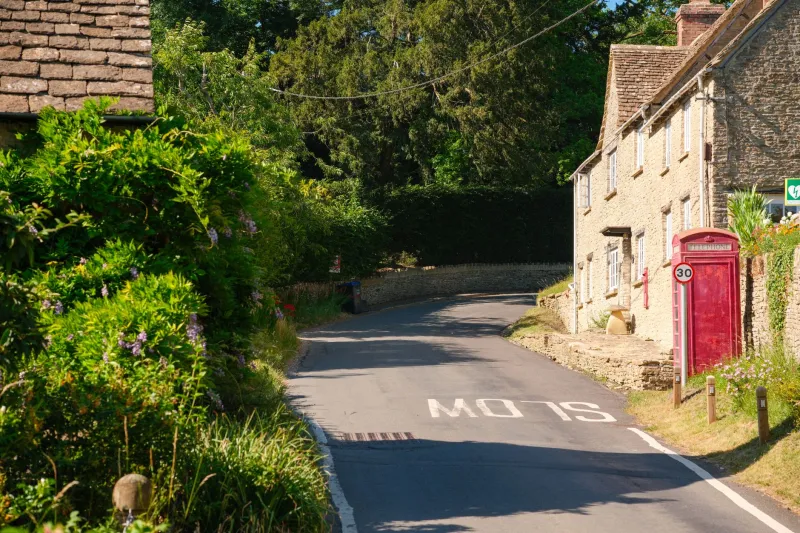
The Last Resort: Folk Horror and the British Seaside Out of Season
October on the Lincolnshire coast. The promenade is empty except for a man walking a dog that looks like it has seen things. The arcade is open but the machines are switched off. The sea is the colour of wet slate. You buy a bag of chips and the woman behind the counter says, 'Mind how you go.' It is not a threat. It is not not a threat.
This is folk horror country. Not the remote island of Summerisle, with its maypoles and wicker giants, but the mainland coast, the seaside town out of season. The Wicker Man is the spiritual ancestor here, but it is not the only one. The British seaside has been doing folk horror's bidding for decades, and it is time we acknowledged it.
The Sea Is a Door
The coast is a threshold. Land ends. Sea begins. In folklore, the shore is where things wash up — good and bad. The tide brings and takes. Folk horror loves thresholds: the edge of the village, the boundary of the field, the standing stone that marks nothing and everything. The seaside is a threshold you can walk along. Out of season, the threshold is unguarded. The tourists have gone. The locals have the place to themselves. The rules are different.
In The Wicker Man, Howie arrives by seaplane, crossing water to reach Summerisle. The island is isolated, but it is also a coastal community. The same qualities exist on the mainland: the suspicion of outsiders, the local customs, the sense that the sea is both a boundary and a threat. You do not need to be on an island to feel cut off. A seaside town in November will do.
The Pier as a Pagan Structure
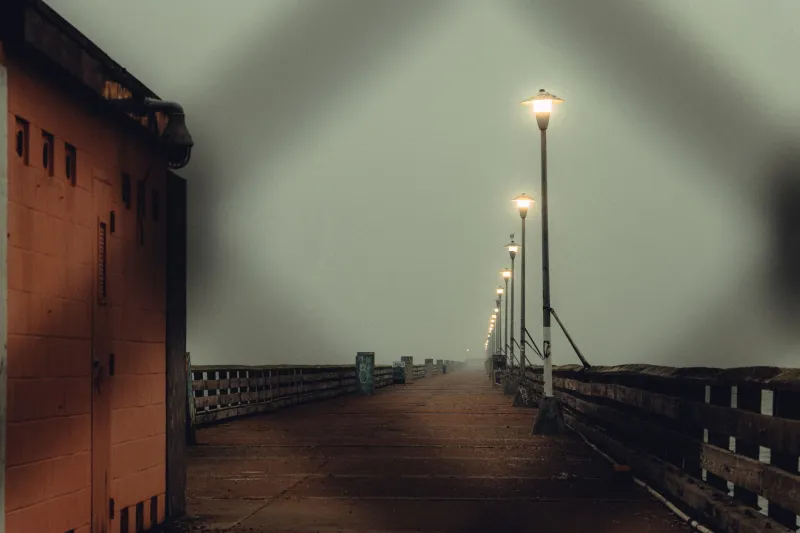
Piers are strange. They jut out into the sea, neither land nor water. They are pleasure structures, but also places of danger. In folk horror, the pier can be a place of ritual, of sacrifice, of the old gods. Think of the end-of-the-pier show as a masque. The arcade machines as oracles. The penny falls as offerings. The pier is a liminal space where normal rules are suspended.
The Wicker Man's Summerisle has its maypole; the seaside has its pier. Both are vertical structures that connect earth and sky (or sea). Both are places where the community gathers. Both are a bit ridiculous and a bit terrifying. That is the folk horror sweet spot.
Local Rituals and the Off-Season Calendar
Seaside towns have their own calendars: the illuminations, the carnival, the regatta, the switching-on of the Christmas lights. These are rituals. In season, they are for tourists. Out of season, they are for the locals. Folk horror is interested in what happens when the tourists leave. The town reverts to its older self. The maypole becomes a maypole again.
The Wicker Man's Summerisle has its harvest festival; the seaside has its end-of-season bonfire. The burning of the effigy. The crowning of the carnival queen. These are survivals, or inventions dressed as survivals. Folk horror thrives on that ambiguity. Is the ritual real, or is it just tradition? Does it matter?
The Guesthouse and the Landlady
The seaside guesthouse is a folk horror location. It is a house of rules: no shoes on the carpet, breakfast at eight, no coming in late. The landlady is a gatekeeper. In The Wicker Man, Howie stays at the Green Man inn, run by Willow. She is both host and tempter. The seaside landlady can be the same: a figure of authority, of local knowledge, of quiet menace.
The guesthouse is a place of transition, where you are neither at home nor away. It is a threshold within a threshold. The wallpaper is floral. The kettle is plastic. The atmosphere is ancient.
The Sea Fret and the Uncanny
Weather is a character in folk horror. The sea fret — a cold fog that rolls in from the sea — is a perfect device. It erases the world. It makes the familiar strange. In The Wicker Man, the weather is bright and clear, but the island is still isolated. On the coast, the fret can do the work of isolation. You can be in a town of 50,000 people and still feel alone when the fog comes down.
That is the uncanny: the familiar place made unfamiliar. The seaside out of season is already unfamiliar. The fret makes it more so. You walk down a street you know and it is gone. You turn a corner and the sea is there, loud and grey, and you cannot remember why you came.
Why the Coast Works
The coast is a place of arrivals and departures, of drownings and resurrections. It is a place where the old ways can survive under the guise of tourism. The Wicker Man understood this. Summerisle is an island, but the coast is its cousin. And the coast is everywhere. You can drive to it. You can walk on it. You can feel the pull of the tide.
That is folk horror's true power: it is not remote. It is at the end of the railway line. It is in the guesthouse with the floral wallpaper and the landlady who knows more than she lets on. It is on the pier, in the arcade, on the beach at dusk.
The sea is always there. And out of season, it is always listening.