Two Eggs, Beans and a Sense of Foreboding: In Praise of the British Caff in Cult Horror
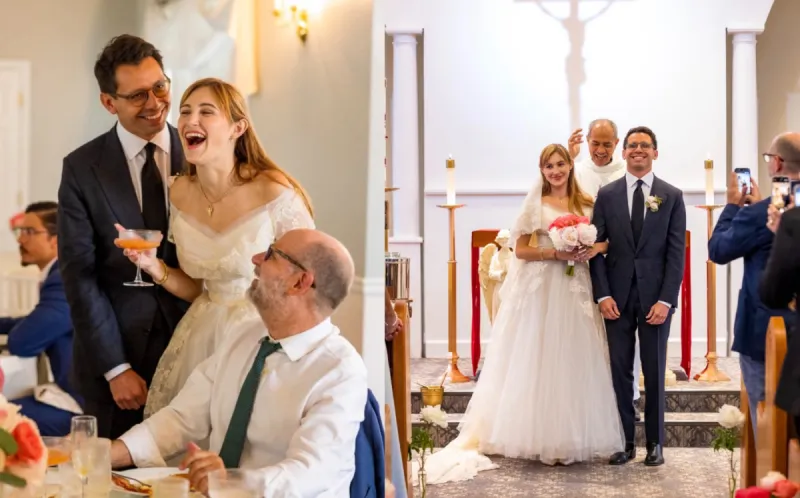
Photo: traditional British greasy spoon cafe interior formica tables, via www.miaminewtimes.com
There's a moment in almost every British horror film where somebody stops running and orders a cup of tea. The audience relaxes. That's the trap.
The pub is where the trouble lives
Folk horror has spent half a century insisting that the pub is a snare. The Green Man on Summerisle, its landlord beaming over the bar while his daughter rehearses a song she'll never finish. The village local in Robin Redbreast where the conversation dies the second the stranger walks in. The boozer in The Borderlands, all back-slaps and side-eye. The pub is the ritual chamber. It's where the parish makes its decisions. It's where the singing starts.
Which is precisely why the caff deserves a proper look. The British café — greasy spoon, transport stop, workers' canteen with ambitions, whatever your region calls it — is the inverse of all that. No folk memory. No hereditary landlord. Just laminate, a menu in a plastic sleeve, a bottle of brown sauce with a crust on the cap, and a radio turned down low because someone in the corner is following the racing.
The pub watches you. The caff merely sees you. In cult cinema, that difference is everything.
The caravan park caff: Sightseers (2012)
Ben Wheatley's motorhome murder spree understands something fundamental: British horror happens in daylight, in nice weather, with the wrong condiments. Chris and Tina's stops are a tour of the nation's hospitality at its most apologetic — the tea room where a National Trust property fails to meet Chris's exacting standards, the site caff where the chairs are bolted down and the specials board hasn't changed since Easter.
The genius of it is that the caff doesn't fail them. It does exactly what it promises. The horror comes from what walks in through the door with a dog-eared copy of the Daily Mail and an opinion. Wheatley shoots these rooms flat, front-on, the way a local paper would photograph a prize-winning marrow — and the flatness is the joke. Nobody in a caff can hide behind atmosphere. You're sitting under four feet of fluorescent tube, chewing in public, and so is everybody else.
The transport stop: a Newcastle interlude
Get Carter (1971) made the North East look like a place where the air itself had a criminal record. But between the multi-storey and the working men's club, there are the roadside stops — the sort of café built for lorry drivers who need calories, not ambience. Michael Caine's Carter passes through these spaces the way a blade passes through a curtain: he belongs and doesn't belong at once, a Londoner in a provincial room where the tea is served in a mug with a chip out of the rim and every head turns just slightly.
That's the caff's great dramatic gift. It is neutral ground in a country of sworn enemies. A man can sit in one for twenty minutes and be safe, and then the door opens and he isn't.
Death Line (1972): tea at the edge of the abyss
Gary Sherman's underground shocker is remembered for Donald Pleasence conducting an entire investigation from behind a tea urn. The caff — the police canteen, the stall, the little room where the kettle is always on — becomes the bureaucratic bulwark against something very old and very hungry living under Russell Square. The horror isn't that these rooms are sinister. It's that they're the last functioning thing. When the tea stops being poured, London has fallen.
Mona Lisa (1986): the only room where nobody lies
Neil Jordan's London is all neon and menace, but George and Simone eat in a caff, and for a few minutes the film lets them be ordinary. Two people, two plates, one small window of peace in a life otherwise spent selling other people's. It's the calmest scene in the picture, and that's what makes the rest of it unbearable. The caff is the compass reading. It shows you how far the characters have strayed.
The caff that isn't there
And so to the mainland.
The openings of The Wicker Man are the film's most underrated stretch — the office, the desk, the paperwork, the sense of a decent man filing the world into order. What's striking, watching it again, is what Sergeant Howie never quite has: a proper sit-down. A plate of something. A caff. He's given a cup of tea in an institution, a briefing, a seaplane, and then the island swallows him whole.
Because Summerisle has no caff. It has the Green Man, which is a pub pretending to be a pub, all folk songs and knowing laughter. It has rooms where people make you a drink with a smile that lasts a fraction too long. It has eggs, of course, in abundance, and no end of things to put them in — but nobody ever stands at a counter counting out coins, complaining about the price of a brew, reading a newspaper that isn't about gods or harvests or the blood of the sun.
The folk horror register depends on the absence of the ordinary. And no absence is more British, or more quietly devastating, than a town with nowhere to get a decent breakfast.
Why the fryer is always watching
There is a particular unease to a caff with too few people in it. The cook has seen you come in. The cook has seen the person you came in with. The cook is ten feet away behind a pass-through window that wasn't designed for privacy, and he is not going to stop looking at you until the bill is paid.
That's the secret these films keep borrowing. Not jump scares. Not fog. Just the knowledge that a caff is a small glass box where everybody is technically a witness, and that some of them are getting paid by the hour to notice.
So next time a horror film opens with a full English, a pot of tea and a rack of toast on a red-and-white checked tablecloth, watch the camera. If it stays wide, get comfortable. If it drifts towards the door, finish up.