Sleeps Six, Haunts Twelve: The British Holiday Let Is Folk Horror's Newest Trap
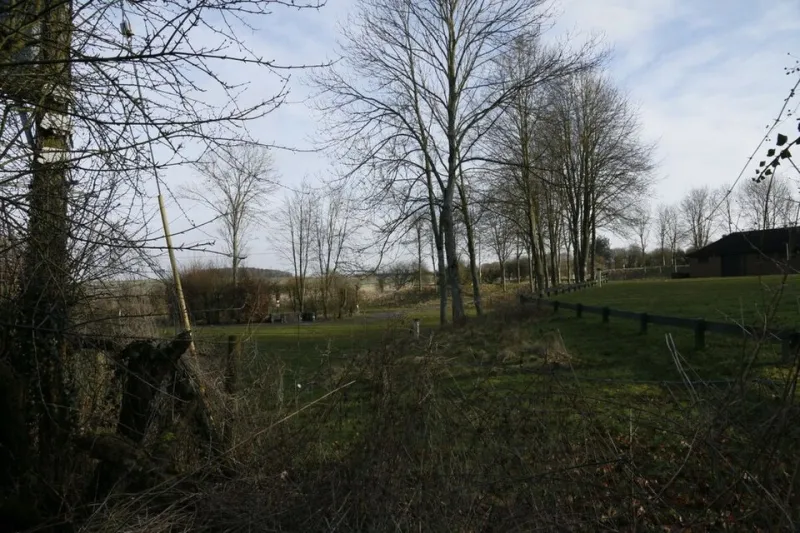
Photo: Bill Nicholls , CC BY-SA 2.0, via Wikimedia Commons
Every January, my group chat does the same thing. Someone posts a link to a cottage in the Peak District that ‘sleeps eight, woodburner, dogs welcome’, someone else points out it’s half the price in early March, and we all agree we’ll absolutely book it this year. We never do.
Part of that is money. A bigger part, I’ve decided, is that the British holiday let is quietly one of the most unsettling settings in the country, and some animal part of my brain knows it. You are voluntarily driving four hours to be a stranger inside somebody else’s house, in a village where you know nobody, governed by a laminated list of rules you didn’t write and cannot appeal.
That isn’t a holiday. That’s folk horror with a welcome hamper.
Howie Was the First Guest
Go back to the source. Sergeant Howie arrives on Summerisle by seaplane, is booked in at the Green Man, is told how long he can stay, and spends the rest of the film being politely managed by people who consider him an amenity. He is a visitor. He is welcome. He is not, in any meaningful sense, a person to them — he’s the thing the season requires.
That is the exact economic relationship of the modern staycation. The village needs you in July. It resents you by November. There is a whole legitimate debate about second homes and short lets hollowing out coastal towns, and the horror genre has started to notice that the resentment runs both ways: the guest is paying to be somewhere they don’t belong, and everyone knows it.
The Key Safe Locks From the Outside
I think about A Dark Song (2016) more than any other recent British horror, and not for the ritual. Sophia rents a remote house in Wales for a long, unspecified stretch, and the whole film runs on the peculiar dread of a tenancy with no end date. The house is hers for the duration. The duration is the problem.
Then there’s Calibre (2018), which starts with two men on a hunting trip in the Scottish Highlands and turns into a study in local obligation — the community closes around them not with violence but with hospitality, and the hospitality is far worse. And Enys Men (2022), where a lone researcher occupies a cottage on a Cornish island and time starts leaking through the walls.
These aren’t haunted-house films in the classic sense. The building isn’t the villain. The tenancy is.
The Off-Season Problem
Here’s the thing nobody says about the 2026 staycation: we’ve all been quietly trained to go out of season. Shoulder-season pricing, midweek discounts, ‘workation’ bundles. Which means more and more of us are arriving in places built for summer, in February, when the chip shop is shut, the pub does food Thursday to Sunday only, and the only other people in the village are the ones who live there.
That’s the isolation chamber. You have chosen to be alone in a place designed for crowds, and the landscape has the run of the place. Caravan parks in January are genuinely among the eeriest environments Britain produces — all that decking, all those empty hardstandings, one light on in the shower block.
Folk horror has always known this. The genre is at its best when the season is wrong and somebody is still going through the motions.
The Visitor Book Is a Confession
Every rental has one. And they are, without exception, sinister. ‘Lovely weekend, weather was dreadful!’ ‘Perfect base for walking.’ ‘The shower is a bit temperamental but the view makes up for it.’
Read enough of them and you get a sense of a place being narrated into safety by people who were slightly frightened and didn’t want to say so. It’s the same function as the cheerful postcard in a folk horror film — the community performing normality for the outsider, while something else goes on behind the hedge.
Rules You Didn’t Agree To
Checkout is 10am. Bins go out Tuesday. Don’t use the log burner after 9pm because of the neighbour. Don’t park on the verge. Don’t feed the pony. Don’t walk across the bottom field.
This is the parish-council horror again, just privatised. Folk horror has always understood that the scariest thing in Britain isn’t a monster, it’s a rule you broke without knowing it existed. In the holiday let, the rules arrive by email three days before you travel, written by a person you will never meet, enforced by a review system that can ruin you.
And the review system is the ritual, isn’t it? Four point eight stars. Would not return. The community’s judgement, delivered in public, after you’ve gone home.
You Are the Amenity
The best of these films understand the one thing the brochures never say: in a small place, the visitor is a resource. The pub needs the covers, the farm needs the cottage income, the village needs the car park full in August. You are the harvest. You are also, potentially, the offering — the outsider whose arrival lets the locals do something they couldn’t do alone.
That’s why the holiday let is folk horror’s newest isolation chamber and not just its cheapest location. It gives you the genre’s core ingredients without any of the costume drama: chosen solitude, a community you’ll never join, an absent authority, and the creeping fear that you are a guest who never quite leaves.
Pack Light, Leave Early
Book the cottage. Obviously book the cottage — the woodburner is lovely and the dog deserves a walk. But go in with your eyes open, and maybe watch In Fear (2013) before you drive down the lanes at night, or A Dark Song before you light a candle in a rental you don’t own.
And if the key safe code doesn’t work, and the owner doesn’t answer, and the visitor book has one entry in it from a party of six who describe the place as ‘a real find’ — just get back in the car.
Somewhere, a village is waiting for its season to begin.